Ontario Fireplace & Chimney Specialists
Smoke Chamber Repair in Sturgeon Falls
The roughest part of most chimneys is the part nobody ever looks at.
Every job starts with a proper look at your system — not a guess over the phone. You get a written quote before any work begins, a clear explanation of what we found, and a technician who works to manufacturer and code requirements from start to finish.
- Written quotes, no surprise charges
- Photo-backed findings after every visit
- Work performed to code and manufacturer specs
- Serving Sturgeon Falls and Nipissing District, year-round
Smoke Chamber Repair for Sturgeon Falls homes
Sturgeon Falls and the surrounding West Nipissing communities rely on wood and pellet appliances, many venting through older masonry chimneys.
Northern cold cracks clay tile and splits crowns, so a camera inspection is usually the first step before recommending any repair or liner here.
Above the damper, older chimneys were built by stepping bricks inward, leaving a stepped, mortar-smeared surface. That roughness slows gases, cools them, and gives creosote countless ledges to collect on. It is a common cause of smoking fireplaces and rapid creosote buildup.
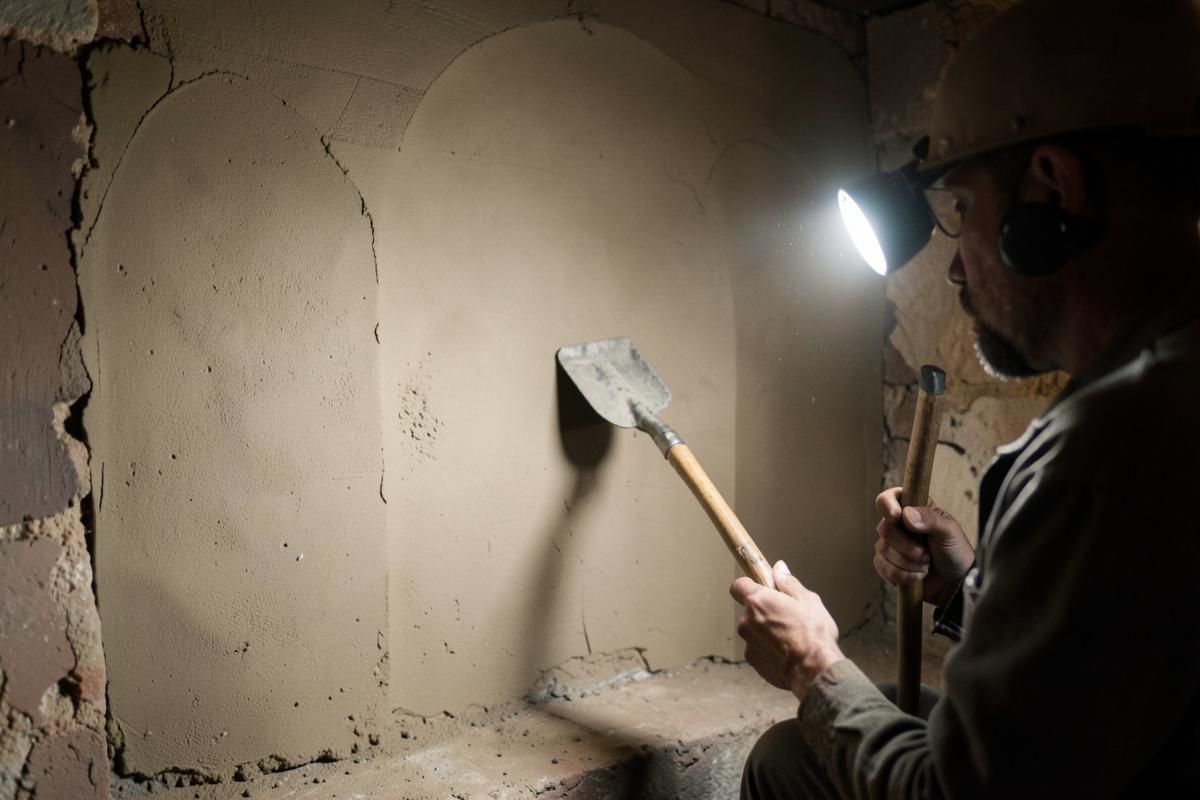
Repair means parging the chamber with refractory mortar to a smooth, tapered profile, filling voids and covering exposed steel or missing mortar. Draft frequently improves noticeably on the first fire afterwards.
What the visit includes
- Camera assessment above the damper
- Removal of loose material and debris
- Refractory parging to a smooth tapered profile
- Void and missing-mortar filling
- Draft verification after cure
Signs you need this
- Smoke rolling into the room on light-up
- Creosote accumulating unusually fast
- Visible stepped brick and gaps above the damper
- A fireplace that has always drafted poorly
Areas we cover around Sturgeon Falls
Verner · Cache Bay · Lavigne · Field · River Valley
The smoke chamber is the transitional cavity between the firebox below and the flue above, a space that funnels smoke and combustion gases from the wide firebox opening into the much narrower flue. It is also one of the least visible and least understood parts of a fireplace, tucked behind the damper where neither the homeowner looking up from the firebox nor a sweep looking down from the roof gets a clear, direct view without specific inspection tools.
Many smoke chambers, particularly in older Ontario homes, were built with corbelled brick, stepped courses of exposed brick, rather than a smooth parged surface, and that rough, stepped construction is exactly the kind of surface that turbulates smoke flow, encourages creosote deposition, and gives fire an uneven path to travel if a chimney fire does occur. Parging the smoke chamber with a smooth, heat-resistant coating addresses both of those problems at once, and it is one of the more common repair recommendations that comes out of a thorough chimney inspection.
Cracked or missing mortar within the smoke chamber is a separate but related concern, since gaps in that area sit directly adjacent to wood framing in many homes, and a smoke chamber with structural mortar failure poses a more direct fire risk than a chamber that is simply rough and creosote-prone. This page covers how smoke chamber problems are diagnosed, what parging and structural repair actually involve, and what drives the cost of the work.
Why smoke chambers were often built rough
Corbelled brick construction, where each course of brick steps inward slightly to gradually narrow the space from the firebox width down to the flue diameter, was a common and structurally straightforward way to build a smoke chamber for decades before parging became standard practice. It works adequately from a pure structural standpoint but leaves a stepped, uneven interior surface with ledges where creosote and debris collect far more readily than they would on a smooth surface.
Modern construction practice generally calls for a smoothly parged smoke chamber interior specifically because that smooth surface improves draft efficiency and reduces the surface area where creosote can adhere, which is why many inspections of older homes flag an unparged, rough smoke chamber as an improvement opportunity even when no active damage is present.
How smoke chamber problems are diagnosed
Direct visual inspection of a smoke chamber requires either a flashlight and inspection mirror angled up from the firebox through the open damper, or a video camera inspection for a clearer and more thorough view, since the geometry of the space makes a full visual assessment from either end alone difficult. A video inspection is particularly useful for documenting hairline cracking or gaps that a mirror-and-light check might miss.
Signs that prompt closer smoke chamber investigation include visible daylight or gaps between the damper area and the firebox, a smoky smell in the room even with the damper open, staining or discolouration on the exterior chimney chase suggesting heat or moisture escaping through chamber gaps, and any known or suspected chimney fire history, since fires can crack the mortar joints between corbelled brick courses even when the flue liner above survives intact.
- Mirror-and-light inspection through the open damper
- Video camera inspection for detailed documentation of cracking
- Visible gaps or daylight near the damper area
- Persistent smoky smell despite an open damper
- History of a known or suspected chimney fire
What parging involves
Parging applies a heat-resistant refractory mortar or specialized parging compound over the existing corbelled brick surface, smoothing out the stepped ledges into a continuous, gradually narrowing surface from firebox to flue. The material used needs to be rated for direct exposure to the temperatures a smoke chamber experiences, which rules out standard construction mortar in favour of purpose-made refractory parging products.
Application is done by hand or with a trowel reaching up into the chamber from the firebox opening, working the material into the corners and against the existing brick to build a smooth, even surface without leaving voids behind the new coating that could crack away from the substrate later. This is detailed, awkward work given the confined space and upward-reaching angle involved, and it typically takes a skilled hand to get a properly bonded, even result rather than a lumpy or thin coating that fails prematurely.
Some smoke chamber repair systems use a spray-applied insulating mix instead of hand-trowelled parging, which can achieve a more consistent thickness across the chamber and adds a degree of insulating value alongside the smoothing benefit, though not every chamber geometry suits spray application equally well.
Structural mortar repair versus cosmetic smoothing
Where a smoke chamber inspection finds actual mortar joint failure between corbelled brick courses, gaps, missing mortar, or cracked and loose brick, the repair scope shifts from cosmetic smoothing to structural stabilization first. Loose or missing brick needs to be reset or replaced and mortar joints repointed before any parging coat is applied over top, since parging over an unstable substrate simply hides a structural problem rather than fixing it.
This distinction matters for cost estimation, since a straightforward parging job over sound corbelled brick is a more predictable, contained scope of work, while a chamber requiring structural mortar repair first can expand significantly depending on how much of the brickwork needs to be addressed before the finishing coat goes on.
Smoke chamber repair and chimney fire history
A chimney fire that reached the smoke chamber area, which is common since the smoke chamber sits directly above the firebox and often bears the brunt of an intense flare-up, can crack mortar joints, discolour or spall brick, and in some cases compromise the chamber enough that a full rebuild of the affected section, not just a parging repair, becomes necessary. This is one of the reasons a post-chimney-fire inspection specifically calls out smoke chamber condition as a priority area to check before the fireplace is used again.
Insurance claims related to a chimney fire sometimes cover smoke chamber repair costs where the damage is directly attributable to a documented fire event, which makes photo documentation from the inspection and any subsequent repair estimate a useful piece of paperwork to keep for that process.
Access and working conditions during repair
Most smoke chamber repair work is done entirely from inside the firebox, reaching up through the open damper area, which means the firebox itself often needs to be protected and, in some cases, partially disassembled if a fixed damper assembly is blocking full access to the chamber above it. Some repairs are more efficiently approached from above through the flue in chambers with unusually tight or awkward firebox-side access, though this is less common than working from below.
Ventilation and dust containment matter during this work since parging and any mortar repair generates dust in a confined space, and a professional crew will typically run containment similar to a sweep, sealing the firebox opening to a vacuum system while working, to keep dust from spreading into the room.
How long a repaired smoke chamber lasts
A properly applied parging coat using appropriate refractory material generally holds up for many years of normal use without needing to be redone, though it should be checked during each subsequent chimney inspection for any signs of cracking or separation from the substrate, which can occasionally occur if the original application had voids or if the chamber experienced another significant heat event such as a chimney fire.
Structural mortar repair to corbelled brick, once stabilized and properly repointed, is similarly long-lasting, with the main risk to longevity being another undetected chimney fire event rather than ordinary wear from routine fireplace use.
Smoke Chamber Repair cost in Sturgeon Falls
A typical parging repair on a smoke chamber with sound underlying brick runs $500 to $900, while jobs requiring structural mortar repair first often reach $1,200 to $2,000.
| Work | Typical range | What moves the price |
|---|---|---|
| Video inspection of smoke chamber and fluedocuments condition before quoting repair scope | $180 – $280 | documents condition before quoting repair scope |
| Standard parging over sound corbelled bricksmooths chamber interior with heat-rated refractory coating | $450 – $900 | smooths chamber interior with heat-rated refractory coating |
| Spray-applied insulating smoke chamber repairadds insulating value alongside smoothing, chamber geometry dependent | $700 – $1,400 | adds insulating value alongside smoothing, chamber geometry dependent |
| Structural mortar repair to corbelled brickrepointing and brick resetting before any finishing coat | $500 – $1,200 | repointing and brick resetting before any finishing coat |
| Combined structural repair and pargingfull scope where both structural and cosmetic work are needed | $1,000 – $2,200 | full scope where both structural and cosmetic work are needed |
| Post-chimney-fire smoke chamber assessment and repairscope depends on extent of fire-related damage found | $800 – $2,500 | scope depends on extent of fire-related damage found |
Ranges are estimates for planning only, not quotes. Final pricing depends on what we find on site, access, and the condition of the existing system.
What moves the price
- Whether the existing brick is structurally sound or needs repointing first
- Parging method used, hand-trowelled versus spray-applied insulating systems
- Chamber size and geometry, which affects access and application difficulty
- Whether the repair follows a documented chimney fire requiring closer assessment
- Access limitations from a fixed damper assembly blocking the chamber
- Whether a video inspection is needed to fully scope the repair beforehand
Want a number for your own fireplace? Send us the details and we will come back with an estimate, or call (833) 949-4153.
How the work goes, step by step
- 1
Inspect the smoke chamber
A mirror-and-light or video camera inspection documents the current condition of the corbelled brick and mortar joints.
- 2
Determine repair scope
Findings are used to decide whether the work is cosmetic parging alone or requires structural mortar repair first.
- 3
Protect the firebox and set containment
The firebox opening is sealed to a vacuum system and surrounding surfaces are protected from dust and debris.
- 4
Repair structural mortar if needed
Loose or missing mortar and brick are reset and repointed before any finishing coat is applied over top.
- 5
Apply parging or insulating coating
A heat-rated refractory material is applied by hand or spray to smooth the chamber interior into a continuous surface.
- 6
Cure and final inspection
The new coating is left to cure fully before a final visual check confirms even coverage and no voids or gaps remain.
How long it takes: A standard parging repair typically takes half a day to a full day; combined structural and parging repairs can take one to two days depending on the extent of brick work needed.
Looking after it afterwards
- Avoid using the fireplace until the parging or repair material has fully cured per the product specification
- Schedule a follow-up inspection within a year to confirm the coating has bonded well with continued use
- Continue regular sweeping, since a smooth parged chamber still needs creosote managed through normal cleaning
- Watch for any new smoky smell or draft change that could indicate a developing issue elsewhere in the system
- Keep photo documentation of the repair for insurance purposes if it followed a chimney fire
Mistakes we see most often
- Applying parging over loose or cracked brick without structural repair first
- Using standard mortar instead of a heat-rated refractory parging product
- Skipping a follow-up inspection after a repair to confirm the coating has held
- Ignoring a persistent smoky smell that suggests an ongoing gap in the chamber
- Not investigating the smoke chamber specifically after a suspected chimney fire
Questions homeowners ask
- Will parging fix a smoking fireplace?
- Often it is a large part of the fix, especially combined with correct flue sizing and adequate combustion air. It is one of the most under-appreciated repairs in the trade.
- Is this required by code?
- Current construction standards call for a smooth smoke chamber. Many older chimneys predate that and were never parged.
- What is the difference between a smoke chamber and a smoke shelf?
- The smoke shelf is a horizontal ledge at the base of the smoke chamber, just above the damper, that helps redirect downdrafts back up the flue, while the smoke chamber is the entire tapering cavity above that shelf that narrows from the firebox width to the flue diameter, and both are part of the same general area addressed during inspection and repair.
- Is an unparged smoke chamber automatically unsafe?
- Not automatically, since many older fireplaces have functioned for decades with a rough corbelled brick smoke chamber, but the rough surface does encourage more creosote buildup and gives less predictable behaviour during a chimney fire compared with a smooth parged surface, which is why it is commonly recommended as an improvement even absent active damage.
- Can smoke chamber repair be done without removing the damper?
- In many cases yes, since repair work is typically done by reaching up through the open damper area from the firebox, though a fixed or awkwardly positioned damper assembly can limit access enough that partial removal or a different access approach becomes necessary.
- How can a homeowner tell if their smoke chamber needs repair?
- Persistent smoky smell with the damper open, visible gaps or daylight near the damper, staining on the exterior chimney chase, or any known chimney fire history are all reasons to have the smoke chamber specifically inspected, since it is not an area a homeowner can typically assess without a mirror, light or camera.
- Does insurance ever cover smoke chamber repair costs?
- Where the damage is directly linked to a documented chimney fire, some insurance policies do cover repair costs, which makes photo documentation from the inspection and repair estimate a useful record to retain when pursuing that kind of claim.
- How long does a smoke chamber repair take to cure before the fireplace can be used?
- Cure time depends on the specific refractory or parging product used, but most repairs need at least several days before the fireplace should be used again, and the product's technical specification should guide the exact waiting period rather than a general rule of thumb.
Nearby
Other Communities Near Sturgeon Falls
Related work
Often Booked Together
Chimney Rebuild in Sturgeon Falls
Partial or full rebuild of deteriorated masonry chimneys, from the roofline up or from the footing.
Crown Repair in Sturgeon Falls
Crown resurfacing, rebuilding and sealing to stop water entering the masonry from above.
Waterproofing in Sturgeon Falls
Vapour-permeable water repellent that keeps rain out while letting masonry dry.
Tuckpointing in Sturgeon Falls
Grinding out and replacing failed mortar joints with a correctly matched mix.