Ontario Fireplace & Chimney Specialists
Creosote Removal in Bracebridge
Glazed creosote is the single biggest chimney fire risk in a wood-burning flue.
Every job starts with a proper look at your system — not a guess over the phone. You get a written quote before any work begins, a clear explanation of what we found, and a technician who works to manufacturer and code requirements from start to finish.
- Written quotes, no surprise charges
- Photo-backed findings after every visit
- Work performed to code and manufacturer specs
- Serving Bracebridge and District of Muskoka, year-round
Creosote Removal for Bracebridge homes
Bracebridge homes and cottages lean on wood: fieldstone fireplaces, freestanding stoves and high-output inserts all get long, hot use through the Muskoka winter.
Creosote builds faster where appliances run hard and fuel is not always fully seasoned, so we recommend a sweep and camera check before each heating season here.
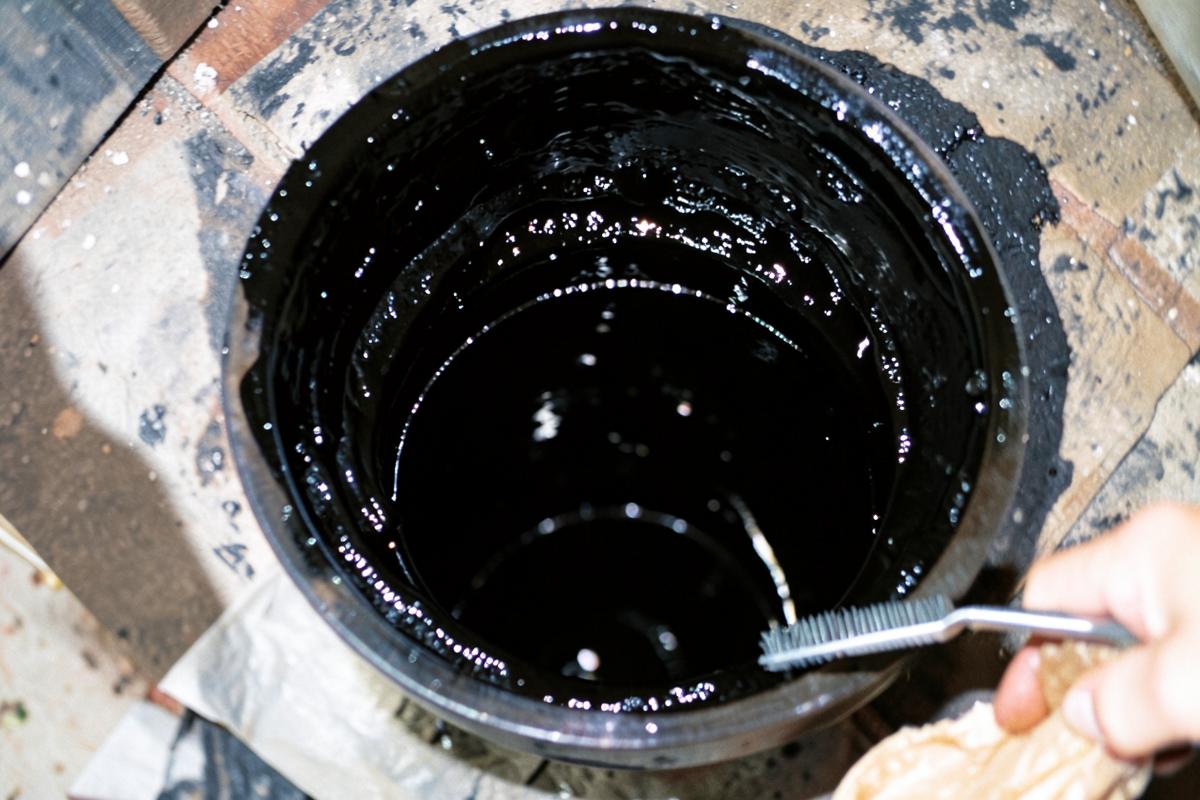
Creosote forms when wood smoke cools and condenses on flue walls. In its first stage it is a soft soot a brush removes easily. Left to accumulate, or produced by smouldering fires and unseasoned wood, it hardens into a tar and then into a glassy glaze that a brush slides right over.
Glazed deposits need a different approach: a modifying treatment applied over several heating cycles to make the glaze brittle, then rotary removal. It is slower than a routine sweep and it is the right work, because glazed creosote burns hot enough to crack tile liners.
What the visit includes
- Stage identification by camera and probe
- Rotary removal for stage one and two deposits
- Chemical modifier application for glazed stage three
- Follow-up visit to remove treated glaze
- Burning-practice review to slow re-accumulation
Signs you need this
- Shiny, tar-like black coating in the flue
- A previous sweep that could not clear the deposits
- Frequent smouldering or overnight fires
- Burning unseasoned or resinous wood
Areas we cover around Bracebridge
Port Sydney · Baysville · Muskoka Falls · Milford Bay · Vankoughnet
Creosote is the byproduct of incomplete wood combustion, and it is the reason wood-burning chimneys need sweeping in the first place. Every fire produces smoke containing unburned particles, tars, and volatile compounds, and as that smoke rises through a flue that is cooler than the fire itself, some of it condenses on the flue walls rather than escaping outdoors entirely. Over time, and depending heavily on how the fireplace or stove is operated, that condensed residue builds into a coating that ranges from harmless soot to a genuinely dangerous fuel source.
Not all creosote is the same, and the difference matters enormously for both risk and removal method. It is generally classified in three stages: a light, flaky soot that a standard brush sweep removes easily, a harder tar-like layer that takes more mechanical effort, and a glazed, glass-like coating that a normal brush will not touch at all. That third stage is the one that actually causes chimney fires, because it is dense, highly combustible, and can ignite at flue temperatures reached during a normal, otherwise unremarkable fire.
This service addresses all three stages, but it exists mainly because of the third one. Removing glazed creosote is a different job from a routine sweep, often requiring a chemical modifier applied over multiple heating cycles before mechanical removal is even possible, and it is worth understanding why before assuming a quick brush pass will solve a deposit that has already hardened into glaze.
The three stages of creosote and how each one forms
Stage one creosote is a light, sooty deposit, typically dry and flaky, produced by fires that burn relatively hot and complete. It is the expected byproduct of normal wood burning and is exactly what a routine annual sweep is designed to remove before it has a chance to progress further. On its own it presents comparatively low fire risk if removed on a normal schedule.
Stage two creosote is thicker, often shiny and somewhat sticky or tar-like, and forms when combustion is less complete, commonly from burning unseasoned wood, restricting airflow too much, or running fires at lower temperatures for extended periods. It requires more aggressive brushing and sometimes rotary equipment to remove fully, and it is a warning sign that burning practices or appliance setup need attention.
Stage three creosote is the hardened, glossy, glaze-like coating that forms when stage two deposits are repeatedly reheated by hot flue gases without ever being removed, essentially baking the tar into a harder, more solidified layer. This stage is dangerous because it is dense enough to sustain a self-feeding fire once ignited, burning at extremely high temperatures that can crack flue tiles, damage liners, and in worse cases ignite nearby combustible framing.
Why some households build up creosote much faster than others
Burning unseasoned or green wood is the single biggest contributor to accelerated creosote buildup, since wood with high moisture content burns at lower temperatures and produces far more smoke and condensable byproduct than well-seasoned wood at 20 percent moisture content or below. Overnight fires deliberately damped down to smoulder slowly are another major factor, since low, smouldering combustion is almost the definition of incomplete burning.
Flue sizing relative to the firebox also matters a great deal. An oversized flue for a given firebox lets combustion gases cool too quickly on their way up, encouraging more condensation on the flue walls before the gases exit. Similarly, a flue that runs along a long horizontal or partially exterior path, common in some older Ontario homes with offset chimneys, cools gases faster than a straight, fully interior flue run would.
- Burning unseasoned, green, or resinous wood
- Overnight or deliberately restricted, smouldering fires
- An oversized flue relative to the connected firebox or stove
- Long horizontal flue runs or exterior chimney chases exposed to cold
- Insufficient combustion air supplied to the firebox
Removal methods matched to each stage
Stage one and much of stage two creosote responds well to standard rotary or brush sweeping, using flexible rods and brushes sized to match the flue, sometimes paired with a rotary power sweeping system for stubborn areas. This is the core of a routine annual chimney sweep and is generally quick, mechanical work with immediate results.
Glazed stage three creosote requires a fundamentally different approach because mechanical brushing alone will not touch it. A chemical creosote modifier is applied to the glazed surface, and the treatment needs to go through several actual heating cycles, meaning the homeowner burns a few normal fires after treatment, for the chemistry to work its way into the glaze and make it brittle enough to break apart. Only after that process has had time to work does a follow-up visit with rotary equipment actually remove the material.
This means glazed creosote removal is not a single-visit job in most cases. It typically requires an initial treatment visit, a period of continued normal fireplace use to let the treatment work, and a follow-up mechanical removal visit once the glaze has been sufficiently softened.
Why glazed creosote is treated as a genuine fire hazard
Fire safety guidance referenced by WETT-trained technicians and most fire departments consistently identifies chimney fires fuelled by glazed creosote as one of the more common causes of residential wood-heating fires. Once ignited, a glaze fire burns extremely hot, often visibly, with roaring sounds, dense smoke, and sometimes flames or sparks from the chimney top, and the heat generated is enough to crack clay flue tiles, damage stainless liners, and in severe cases ignite framing near the chimney chase where clearances have degraded.
A slow, undetected chimney fire is arguably worse than a dramatic one, since it can smoulder within the flue structure without an obvious external sign, weakening the liner over multiple small events until a later, more serious failure occurs. This is part of why chimney sweeps specifically look for glazing and creosote depth rather than just checking whether the flue looks reasonably clean.
Ontario heating patterns and creosote risk
Ontario's long heating season means wood-burning households often accumulate more total burn hours per year than in milder climates, which by itself increases total creosote formation even with good burning practices. Households that rely on wood heat as a primary or significant secondary heat source, rather than occasional ambiance fires, are at meaningfully higher risk of reaching stage two and three creosote within a single season if sweeping is delayed.
Cold snaps that push people toward overnight, low, slow-burning fires to stretch a load of wood through the night are exactly the burning pattern that produces the most creosote per hour of burn time. This is a reasonable trade-off for warmth on a very cold night, but it does mean households burning that way regularly should expect to need sweeping and inspection more than once per season rather than the standard annual schedule.
What creosote findings mean for your burning habits
A sweep that finds heavy stage two or three deposits after only a partial season of burning is telling you something specific about how the fireplace or stove is being operated, not just about the chimney itself. It usually means wood moisture content is too high, air supply is too restricted, or fires are being run too cool for too long, and addressing those habits going forward is often as important as the removal itself in preventing a repeat problem.
A simple moisture meter reading on split firewood, aiming for roughly 20 percent or less, and adjusting air control settings to keep fires burning brighter rather than smouldering, are both low-cost changes that meaningfully slow creosote accumulation. This is worth discussing during a removal visit rather than treating the symptom without addressing the cause.
Structural findings that sometimes surface during removal
Removing heavy glazed creosote sometimes reveals damage that the deposit itself had been masking, including cracked flue tiles, gaps in liner joints, or spalled masonry beneath the coating. This is not unusual and is one of the reasons a camera inspection after removal is a normal part of the process rather than an upsell, since it is genuinely difficult to assess flue condition accurately while a thick creosote layer is still present.
Where damage is found, repair recommendations following removal typically relate to relining or tuckpointing services rather than creosote removal itself, and a straightforward report explaining what was found and why it matters is a reasonable thing to expect at the end of the visit.
Creosote Removal cost in Bracebridge
A standard creosote removal visit for stage one or two deposits averages around $220 to $300, while glazed stage three removal including treatment and follow-up typically runs $500 to $800 total.
| Work | Typical range | What moves the price |
|---|---|---|
| Standard rotary sweep, stage one and light stage twotypical single-flue masonry chimney | $180 – $280 | typical single-flue masonry chimney |
| Heavy stage two deposit removalextended brushing and rotary time | $260 – $400 | extended brushing and rotary time |
| Chemical modifier treatment for glazed creosoteinitial application, follow-up visit billed separately | $120 – $220 | initial application, follow-up visit billed separately |
| Follow-up glaze removal after treatmentmechanical removal once glaze has softened | $300 – $550 | mechanical removal once glaze has softened |
| Camera inspection after removaloften bundled with removal service | $100 – $175 | often bundled with removal service |
| Multi-flue or wood stove connector cleaning add-onper additional flue or connector pipe | $80 – $150 | per additional flue or connector pipe |
Ranges are estimates for planning only, not quotes. Final pricing depends on what we find on site, access, and the condition of the existing system.
What moves the price
- Which creosote stage is present and how much material has accumulated
- Whether a chemical modifier treatment and follow-up visit are required for glazing
- Flue length, offsets, and access difficulty
- Number of flues or connector pipes needing service
- Whether a post-removal camera inspection is included
- Any structural repair needs uncovered once deposits are cleared
Want a number for your own fireplace? Send us the details and we will come back with an estimate, or call (833) 949-4153.
How the work goes, step by step
- 1
Initial camera inspection
Before any removal begins, a camera pass identifies which stage of creosote is present, its thickness, and whether it is evenly distributed or concentrated in specific sections of the flue.
- 2
Mechanical removal for reachable deposits
Standard rotary sweeping equipment removes stage one and stage two material throughout the flue, working from the firebox and, where needed, from the chimney top.
- 3
Glaze assessment
Any areas where a brush slides over the surface without effect are flagged as glazed stage three creosote requiring chemical treatment rather than further mechanical effort.
- 4
Modifier application
A chemical creosote modifier is applied to glazed sections, and the homeowner is advised to burn several normal fires over the following weeks to let the treatment penetrate and soften the glaze.
- 5
Follow-up mechanical removal
On a return visit, rotary equipment removes the now-brittle former glaze, which comes away far more readily than it would have before treatment.
- 6
Post-removal camera check and report
A final camera pass confirms the flue is clear and documents the underlying flue condition, noting any liner or masonry damage that was hidden under the deposits.
How long it takes: A standard sweep takes about one hour; glazed creosote removal typically spans two visits several weeks apart, with each visit lasting one to two hours.
Looking after it afterwards
- Burn only well-seasoned wood at roughly 20 percent moisture content or lower
- Avoid prolonged smouldering, low-air overnight fires whenever practical
- Have the chimney swept at least once per heating season, and more often for heavy wood-burning households
- Watch for a strong tar-like smell or reduced draft, both signs of building creosote between scheduled sweeps
- Keep a moisture meter on hand to check firewood before burning it
Mistakes we see most often
- Assuming creosote-removal fireplace logs are a substitute for mechanical sweeping
- Delaying a sweep because the fireplace is used only occasionally, when even occasional smouldering fires can glaze quickly
- Burning wet or green firewood to save money, which accelerates creosote formation significantly
- Restricting air supply too much in an effort to make a fire last longer overnight
- Ignoring a professional's recommendation for follow-up glaze removal after initial treatment
Questions homeowners ask
- Why does creosote build up so fast in my chimney?
- Usually low flue temperatures, restricted air, or wet wood. An oversized flue on a small firebox is another common cause because gases cool before they exit.
- Are creosote-removal logs enough?
- They can soften light deposits but they do not remove anything. The material still has to be brushed out of the flue.
- How can I tell if my chimney has glazed creosote before calling anyone?
- A strong, persistent tar-like odour, visibly shiny black deposits when viewed from the firebox with a flashlight, or a chimney fire event are all signs worth acting on. A definitive answer really requires a camera inspection, since glazing is not always obvious from a quick look.
- Is it safe to keep using my fireplace if I have stage three creosote?
- It is not advisable. Glazed creosote is dense enough to sustain a self-feeding chimney fire at normal operating temperatures, and continuing to burn fires while it is present increases that risk with every use until it is properly removed.
- Why does glazed creosote need chemical treatment instead of just a stronger brush?
- The material is essentially baked tar that has hardened into a glass-like coating bonded to the flue surface. A standard brush, even with rotary power behind it, will not remove it without risking damage to the flue liner, which is why a chemical modifier is used to make it brittle first.
- How often should I have my chimney swept if I heat primarily with wood?
- Households using wood heat as a primary or significant secondary source often need sweeping more than once per season, sometimes at the midpoint of winter, rather than relying on a single annual visit, particularly if burning habits include overnight smouldering fires.
- Will removing creosote damage my flue liner?
- Properly performed mechanical and chemical removal is designed not to damage a sound liner. However, removal sometimes reveals pre-existing cracks or gaps that the creosote layer had been covering, which is why a post-removal camera check is a standard part of the process.
- Does the type of wood I burn really make that much difference?
- Yes, significantly. Well-seasoned hardwood burning at a proper moisture content produces dramatically less creosote than green or resinous softwoods burned at the same rate, and this single habit change is one of the most effective ways to slow buildup between sweeps.
Nearby
Other Communities Near Bracebridge
Related work
Often Booked Together
Chimney Sweeping in Bracebridge
Full mechanical sweep of the flue, smoke chamber and firebox with containment and photos.
Chimney Repair in Bracebridge
Targeted repairs to crowns, caps, mortar joints, flashing and liners.
Chimney Liner in Bracebridge
Stainless steel and cast-in-place relining sized to the appliance being vented.
Chimney Cap in Bracebridge
Stainless caps and multi-flue covers that keep out rain, snow, animals and embers.