Ontario Fireplace & Chimney Specialists
Chimney Blockage Removal in Arnprior
A blocked flue sends combustion gases into the house instead of out of it.
Every job starts with a proper look at your system — not a guess over the phone. You get a written quote before any work begins, a clear explanation of what we found, and a technician who works to manufacturer and code requirements from start to finish.
- Written quotes, no surprise charges
- Photo-backed findings after every visit
- Work performed to code and manufacturer specs
- Serving Arnprior and Renfrew County, year-round
Blockage Removal for Arnprior homes
Arnprior pairs heritage brick and stone near the rivers with newer subdivisions where direct-vent gas fireplaces are the default.
River moisture combined with valley cold is hard on crowns and flashings, and untended caps are the usual reason water reaches a firebox here.
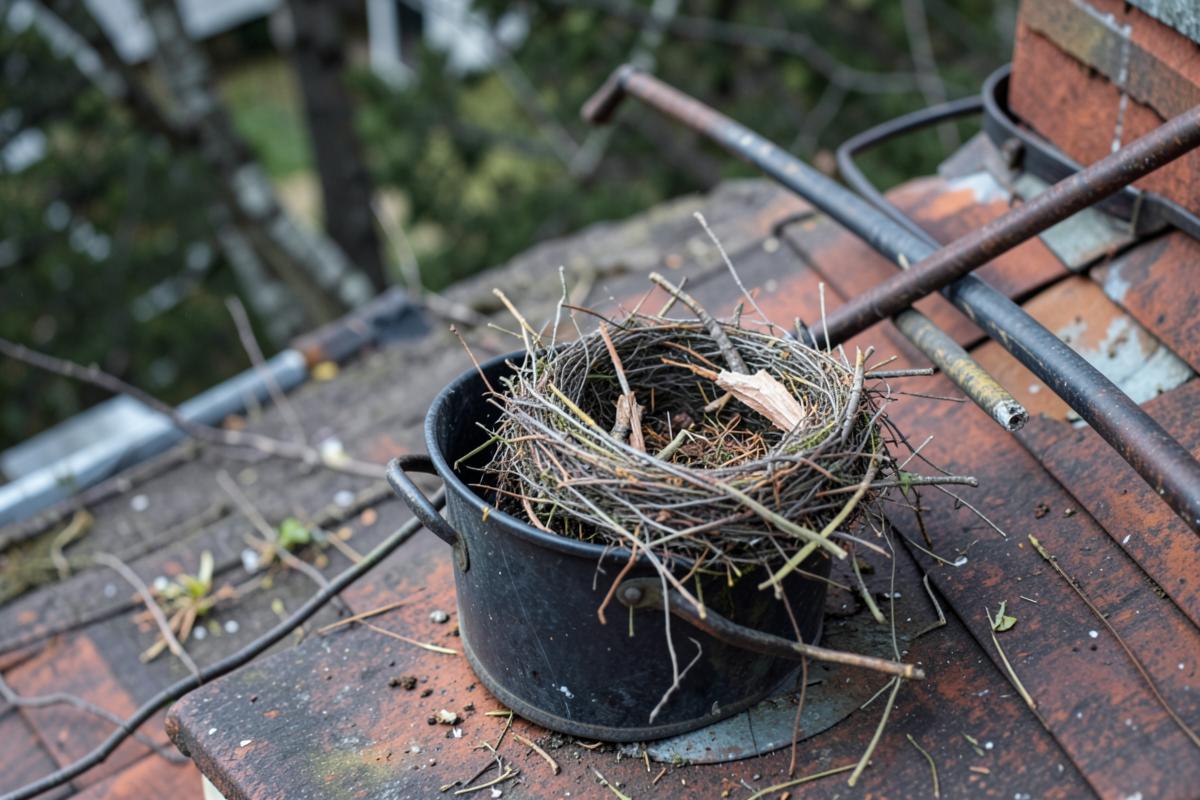
Blockages come from collapsed clay tile, fallen brick, nesting material, leaves, and occasionally construction debris left behind from other work. The result is the same: the flue cannot move the volume of gas the appliance produces.
We locate the obstruction by camera rather than guesswork, clear it from the appropriate access point, and then inspect what is behind it, because a collapse is usually a symptom of a liner that also needs attention.
What the visit includes
- Camera survey to locate and identify the obstruction
- Clearing from the top, cleanout door or firebox
- Removal of collapsed tile and masonry debris
- Post-clearing draft verification
- Liner condition report on what caused the blockage
Signs you need this
- Smoke or fumes entering the room when the appliance runs
- A carbon monoxide alarm sounding near the fireplace
- Debris in the firebox or a jammed damper
- A fire that will not stay lit
Areas we cover around Arnprior
Braeside · White Lake · Pakenham · Fitzroy Harbour · Renfrew
A blocked flue turns a chimney from a safe exhaust path into a potential source of carbon monoxide and smoke backing up directly into a living space. Blockages come from a wider range of sources than most homeowners expect: fallen debris from a deteriorated crown or liner, collapsed nesting material, a dislodged brick or damper part, heavy creosote buildup, and even objects like a lost ball or bird that entered and could not get back out. Whatever the specific cause, the underlying risk is the same, and it is one of the more urgent issues a chimney can develop.
The danger with a partial blockage is that it is often less obvious than a complete one. A fully blocked flue tends to announce itself quickly through smoke filling the room the moment a fire is lit, but a partial obstruction can allow enough draft for a fire to seem to work normally while still restricting exhaust enough to cause dangerous levels of carbon monoxide or smoke spillage under certain conditions, such as high wind, a particularly hot fire, or specific damper positions.
This service covers locating a blockage precisely using camera inspection, identifying what it actually is before attempting removal, safely clearing it, and checking the flue and any structural components for damage that either caused the blockage or resulted from whatever fell or lodged there. It is closely related to creosote removal and animal removal services but is treated separately because blockages can come from purely structural or mechanical causes with nothing to do with either.
What actually causes a chimney blockage
Structural debris is one of the more common sources: a deteriorated flue liner shedding tile fragments, a crumbling crown dropping mortar and brick pieces into the flue, or a damaged smoke chamber parging flaking off and collecting on the smoke shelf. These sources tend to build gradually, meaning a blockage from structural debris often develops slowly enough that it could theoretically be caught during a routine inspection before it becomes severe.
Nesting material and animal-related debris are another major category, sometimes overlapping directly with the animal removal service when a live animal is still present, but often found as leftover material from a nest built and abandoned in a previous season. Even old, inactive nesting debris can collapse further down the flue over time and create a blockage well after the animal itself is gone.
Less common but not rare causes include a bird or small animal that entered and became lodged without being able to escape, objects that fell in through an uncapped flue, such as balls, toys, or tree debris during a storm, and mechanical failures like a damper plate that has broken loose from its mounting and fallen partway down the flue.
Why partial blockages are especially dangerous
A completely blocked flue produces an unmistakable, immediate warning: smoke fills the room the moment a fire is started, which most homeowners recognize instantly and respond to by extinguishing the fire and seeking help. A partial blockage is far more insidious because enough draft may exist under normal conditions for the fire to burn and vent acceptably, while conditions that reduce draft, like a strong downdraft from wind, an unusually cold outdoor temperature affecting flue draw, or high indoor air pressure from a running exhaust fan elsewhere in the house, can suddenly push combustion gases back into the living space.
This is particularly dangerous with gas appliances venting through a shared or dedicated flue, since gas combustion produces carbon monoxide without the visible smoke that would alert a wood-fireplace user to a problem. A gas appliance venting into a partially blocked flue can produce elevated carbon monoxide levels in a home with no obvious visual warning at all, which is precisely why working carbon monoxide detectors near any fuel-burning appliance are considered essential rather than optional.
Camera diagnosis: finding out what and where
Locating a blockage precisely, and identifying what it actually consists of, is the necessary first step before any removal attempt, since the correct removal method differs significantly depending on whether the obstruction is loose debris, a solid dislodged object, compacted nesting material, or heavy creosote. A camera inspection lowered through the flue from the top or viewed from the firebox identifies depth, composition, and whether the blockage is a single discrete object or a broader accumulation along a section of the flue.
This diagnostic step also reveals whether the blockage was caused by an underlying structural problem, such as a crumbling liner section or crown, which needs to be addressed separately from the immediate removal to prevent recurrence. Skipping straight to removal without this diagnostic step risks either using the wrong method, pushing debris further down rather than out, or missing a related structural issue that will simply cause the same problem again.
- Top-down and firebox-side camera inspection to locate the obstruction
- Identification of blockage composition before selecting a removal method
- Assessment of whether structural debris indicates a liner or crown problem
- Depth measurement to determine access approach, from the top or the firebox
- Documentation with photos or video for the homeowner's records
Removal methods matched to blockage type
Loose debris and light nesting material can often be removed with specialized vacuum equipment designed for chimney work, which extracts material without pushing it further down the flue or spreading dust into the living space. Denser or compacted material typically needs mechanical extraction using rods and specialized retrieval tools, sometimes combined with rotary brushing for material bonded to the flue walls.
A solid, discrete object, such as a lodged brick, tile fragment, or foreign object, usually requires targeted retrieval tools designed to grip and extract it without damaging the surrounding flue liner in the process. In some cases, particularly where an object has wedged tightly in a narrow section, careful work from both the top and the firebox side is needed to free it without forcing it further down.
Heavy creosote-based blockages overlap directly with the creosote removal service and may require the staged chemical treatment and follow-up removal process used for glazed deposits if the blockage has hardened significantly.
Carbon monoxide risk and appliance interactions
General fuel-burning appliance safety guidance, consistent with standards referenced by TSSA and CSA for gas appliances, treats venting blockage as a primary carbon monoxide risk factor, alongside appliance malfunction and improper installation. Any household with a gas fireplace, gas furnace, or other fuel-burning appliance venting through a masonry chimney should treat sudden changes in appliance behaviour, such as a pilot light behaving unusually, soot appearing around an appliance, or an unexplained increase in condensation near vents, as a possible sign of a venting obstruction worth investigating promptly.
Working carbon monoxide detectors installed per manufacturer guidance near sleeping areas and fuel-burning appliances remain the most immediate line of defence against the health risk a blockage can create, and they should never be treated as optional in a home with any wood, gas, oil, or propane appliance venting through a chimney, regardless of how well-maintained that chimney has historically been.
What a blockage reveals about the broader chimney system
A blockage caused by structural debris is rarely an isolated event; it usually indicates active deterioration somewhere upstream, whether a cracking clay tile liner, a crumbling crown shedding material, or deteriorating parging in the smoke chamber. Removing the blockage without identifying and addressing that source leaves the door open for the exact same problem to recur, sometimes within a single season.
Similarly, a blockage found alongside heavy creosote suggests burning practices or wood moisture content contributing to rapid buildup, which is worth discussing at the same visit rather than treating the blockage purely as a mechanical problem disconnected from how the fireplace or stove is actually being used day to day.
Repair versus replacement once a blockage is cleared
If the blockage traces back to a deteriorating clay tile liner shedding pieces, the decision becomes whether the liner can be repaired in the affected section or whether the broader liner condition warrants full relining. A single cracked tile in an otherwise sound liner might be addressed locally, but repeated debris shedding from multiple sections generally indicates the liner has reached the point where full replacement is the more sensible long-term fix rather than an ongoing pattern of blockage removal.
Where a crown is the debris source, crown repair or replacement is typically recommended alongside the blockage removal, since a deteriorating crown will otherwise continue shedding material into the flue indefinitely. Addressing the root cause at the same time as the blockage removal, rather than treating them as separate future projects, tends to be both safer and more cost-effective in the long run.
Chimney Blockage Removal cost in Arnprior
A typical blockage removal visit, including diagnostic camera work, averages around $350 to $500 depending on what the obstruction turns out to be.
| Work | Typical range | What moves the price |
|---|---|---|
| Camera diagnostic inspectionoften credited toward removal cost if proceeding same visit | $130 – $220 | often credited toward removal cost if proceeding same visit |
| Loose debris or nesting material removalvacuum and mechanical extraction | $220 – $400 | vacuum and mechanical extraction |
| Solid object or dislodged component retrievaldepends on depth and access difficulty | $280 – $550 | depends on depth and access difficulty |
| Heavy creosote blockage removalmay require staged treatment for glazed material | $350 – $750 | may require staged treatment for glazed material |
| Liner section repair following debris-related blockagelocalized repair rather than full reline | $450 – $1,100 | localized repair rather than full reline |
| Crown repair to eliminate blockage sourcewhen a deteriorating crown is shedding debris | $500 – $1,400 | when a deteriorating crown is shedding debris |
Ranges are estimates for planning only, not quotes. Final pricing depends on what we find on site, access, and the condition of the existing system.
What moves the price
- Composition of the blockage, since loose debris, solid objects, and heavy creosote require different methods
- Depth of the obstruction within the flue and whether access is easier from the top or the firebox
- Whether the blockage traces back to a structural issue needing separate repair
- Number of flues affected on a chimney with multiple flue openings
- Whether a gas appliance is involved, which raises the urgency and scope of the safety check
- Extent of any liner or crown repair needed to prevent recurrence
Want a number for your own fireplace? Send us the details and we will come back with an estimate, or call (833) 949-4153.
How the work goes, step by step
- 1
Camera inspection to locate the blockage
We lower a camera from the top or view from the firebox to precisely locate the obstruction, measure its depth, and get a clear look at what it actually consists of before touching it.
- 2
Composition assessment
Based on the camera footage, we determine whether the blockage is loose debris, compacted nesting material, a solid object, or heavy creosote, since each requires a different removal approach.
- 3
Safety check for appliance interactions
Where a gas or other fuel-burning appliance vents through the same flue, we check for signs of venting problems and recommend a carbon monoxide detector check as part of this step.
- 4
Removal using the appropriate method
Depending on what the camera revealed, we use specialized vacuum equipment, mechanical rod and brush systems, or targeted retrieval tools to clear the obstruction without damaging the flue liner.
- 5
Post-removal camera verification
A follow-up camera pass confirms the flue is fully clear along its entire length, not just at the point where the original blockage was found.
- 6
Root cause identification
We identify whether the blockage originated from structural debris, animal activity, or creosote buildup, and outline any follow-up repair needed to prevent the same issue recurring.
How long it takes: Most blockage removals are completed in a single visit of one to three hours, though cases requiring staged creosote treatment or liner repair may need a follow-up visit.
Looking after it afterwards
- Have working carbon monoxide detectors installed near sleeping areas and any fuel-burning appliance
- Schedule an annual chimney inspection to catch structural debris sources before they cause a full blockage
- Watch for any recurrence of poor draft, smoke smell, or unusual appliance behaviour after a blockage has been cleared
- Address any identified crown or liner issue promptly rather than treating the blockage as a one-time event
- Keep the chimney capped to prevent debris, animals, and weather from re-entering the flue
Mistakes we see most often
- Continuing to use a fireplace or gas appliance after noticing weak or unusual draft instead of having it checked
- Attempting to clear a blockage by pushing an object down the flue rather than removing it, which can lodge it further and damage the liner
- Assuming a fireplace that seems to work fine has no blockage, when partial obstructions do not always cause obvious symptoms
- Skipping the post-removal camera check, missing a secondary obstruction further down the flue
- Ignoring the underlying source of debris, leading to a repeat blockage within the same season
Questions homeowners ask
- Is a blocked chimney an emergency?
- Treat it as one if any fuel-burning appliance vents into that flue. Stop using the appliance, ventilate, and have it cleared before it is used again.
- What causes tile to collapse?
- Usually thermal shock from a chimney fire, or decades of freeze-thaw and moisture on tile that was never insulated.
- How can I tell if my chimney has a blockage before lighting a fire?
- Warning signs include smoke that lingers or drifts back into the room, a fire that struggles to draw properly, an unusual smell from the fireplace, or, for gas appliances, changes in pilot light behaviour. A camera inspection is the only way to confirm definitively, especially for partial blockages that do not always produce obvious symptoms.
- Is a partial blockage really as dangerous as a full one?
- In some ways it can be more dangerous, because a full blockage produces immediate, obvious smoke that prompts quick action, while a partial blockage can allow seemingly normal operation most of the time while still risking dangerous smoke or carbon monoxide spillage under specific conditions like high wind or a running exhaust fan.
- What should I do if I suspect a blockage right now?
- Do not light a fire or continue operating a gas appliance venting through that flue until it has been inspected. If carbon monoxide detectors are sounding or anyone is experiencing symptoms like headache or dizziness, leave the home and call emergency services before anything else.
- Can a blockage damage my chimney liner during removal?
- It can if the wrong method is used, particularly with solid lodged objects or heavy compacted debris. This is why a camera-based composition assessment happens first, so the removal method is matched to what is actually there rather than guessing.
- Will removing a blockage fix the underlying problem permanently?
- Only if the underlying cause is also addressed. If the blockage came from a deteriorating crown or liner shedding debris, that structural issue needs separate repair, or the same type of blockage is likely to happen again.
- How often do chimney blockages happen without any animal involvement?
- Fairly often. Structural debris from a failing liner or crown, heavy creosote accumulation, and objects falling into an uncapped flue are all common non-animal causes, which is part of why blockage removal is treated as its own distinct service rather than assumed to always be wildlife-related.
Nearby
Other Communities Near Arnprior
Related work
Often Booked Together
Chimney Sweeping in Arnprior
Full mechanical sweep of the flue, smoke chamber and firebox with containment and photos.
Chimney Repair in Arnprior
Targeted repairs to crowns, caps, mortar joints, flashing and liners.
Chimney Liner in Arnprior
Stainless steel and cast-in-place relining sized to the appliance being vented.
Chimney Cap in Arnprior
Stainless caps and multi-flue covers that keep out rain, snow, animals and embers.